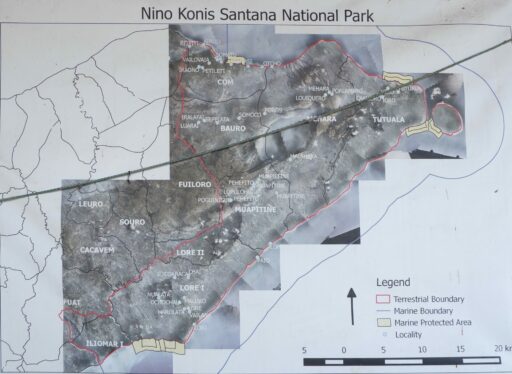
From 5-7 June 2023, the ATSEA-2 Project conducted an assessment using the Management Effectiveness Tracking Tool (METT) in Com Village, Timor-Leste. Working in collaboration with the Ministry of Agriculture and Fisheries (MAF), this assessment aimed to evaluate the extent to which Nino Konis Santana National Park (NKSNP) has successfully achieved its goals and benefited the
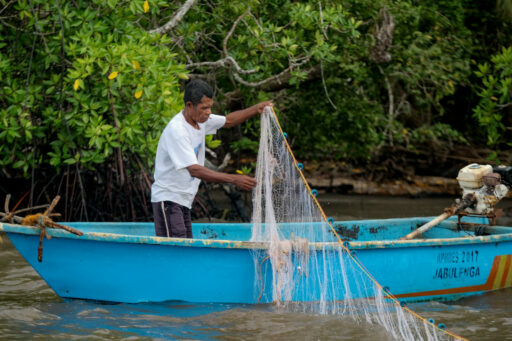
The International Day for the Fight against Illegal, Unreported and Unregulated (IUU) Fishing was celebrated on 5 June 2023. This was followed by World Ocean Day on 8 June 2023. These two important events helped to bring the importance of our work into focus, highlighting the need for collaboration in safeguarding our oceans, while also
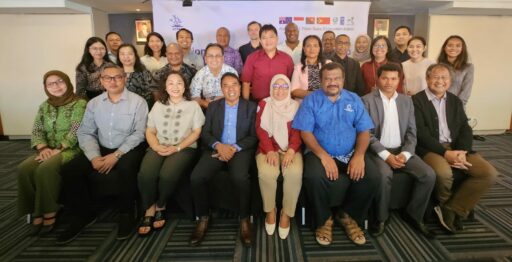
In an effort to promote sustainable development and address pressing regional challenges, a Regional Strategic Planning Workshop was held in Bali, Indonesia on 30 and 31 May 2023. The offline workshop brought together approximately 35 key stakeholders, including ATSEA-2 National Project Directors, members of the Regional Working Group, representatives from the United Nations Development Programme

In the spirit of World Ocean Day 2023 celebration (8 June, annually), we should take a moment to consider the work that needs to be done. From marine pollution and climate change to unsustainable practices and declining populations of endangered species, the challenges we face are immense. In the Arafura and Timor Seas (ATS) region,

The Ministry of Maritime Affairs and Fisheries (MMAF), through the Directorate General of Marine Spatial Management (Ditjen PRL) has made a commitment to maintaining the sustainability of Indonesia’s marine ecosystems. One of the major efforts undertaken is to increase Marine Protected Areas (MPAs) coverage to 32.5 million hectares, or approximately 10 percent of Indonesian waters,
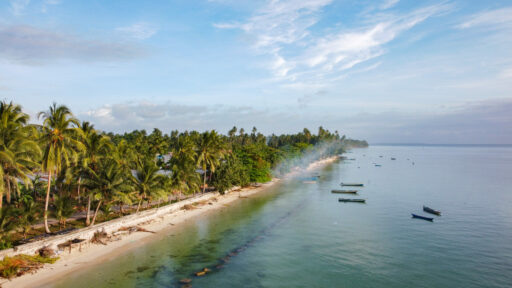
Exploring the Fore Coast in South Fly district is an enchanting experience. Navigating the tranquil intertidal waters, visitors discover pristine beaches and mangroves. The outboard motor hums continuously, as we pass by anglers in their canoes and vigilant boat spotters, who ensure their skipper steers clear of fishing nets. The ATSEA-2 team has had the
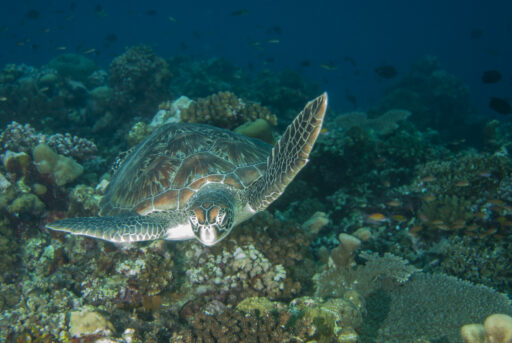
From 15-17 May 2023, the ATSEA-2 Project participated in a workshop entitled “Protecting Marine Migratory Species and Achieving the 30×30 Target” in Manado, Indonesia. This three-day event, organised by the European Union Ocean Governance project and the Marine Protected Area (MPA) Working Group of the Coral Triangle Initiative on Coral Reefs, Fisheries and Food Security
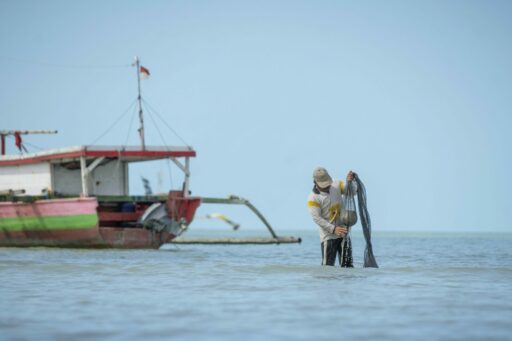
The littoral nations of the Arafura and Timor Seas (ATS) region are united in their efforts to combat the depletion of marine and fishery resources. Recognising the significance of collaboration, the ATSEA-2 Project conducted the Strategic Thinking and Strategic Planning National Workshops in Port Moresby, Papua New Guinea (PNG), on 5 April and 5 May 2023,
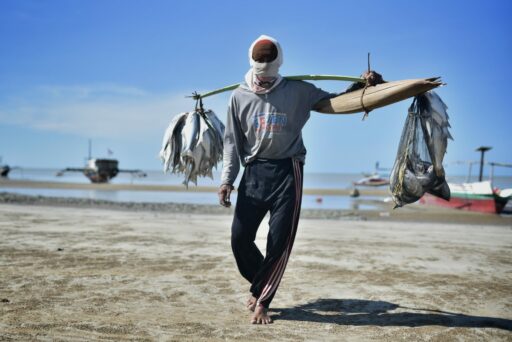
In Timor-Leste, the coastal waters of Viqueque – known locally as Viqueque Municipio – are rich in fish species such as tuna, mackerel and snapper. The region is also home to a lively coastal community and a thriving group of fisherfolk. With support from the Arafura and Timor Seas Ecosystem Action Phase II (ATSEA-2) Project,
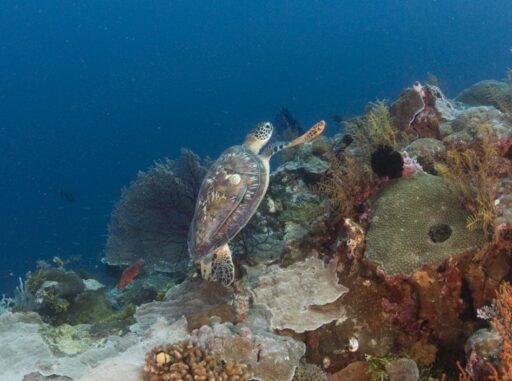
On 28 March 2023, the ATSEA-2 Project organised a meeting at the Marine and Fisheries Research and Human Resources Agency to evaluate the management effectiveness of the Southeast Aru Marine Protected Area (MPA). The meeting aimed to assess the MPA’s effectiveness using two tools: a new evaluation tool for the management effectiveness of marine conservation
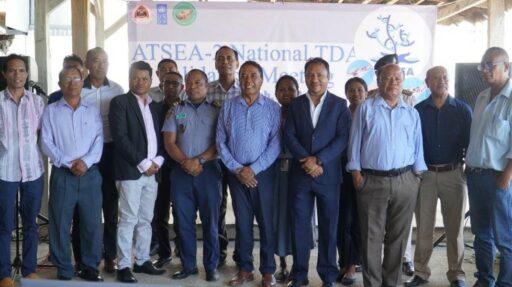
On 14 March 2023, the Ministry of Agriculture and Fisheries (MAF) of Timor-Leste, in collaboration with ATSEA-2 project hosted the National Transboundary Diagnostic Analysis (TDA) Validation Meeting in Dili. The primary objective of the meeting was to review the draft country synthesis report and collectively address any gaps or issues. The meeting provided a platform
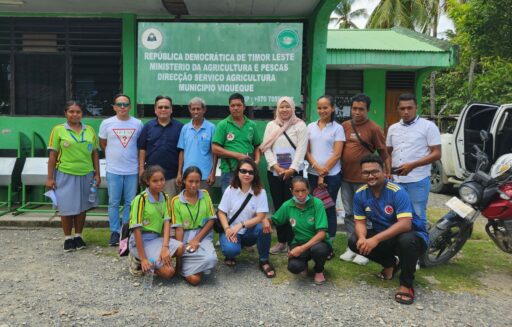
From 8-12 March 2023, the ATSEA-2 Regional Project Management Unit (RPMU) visited Dili and Viqueque in Timor-Leste, in order to provide updates on project progress through meetings with related organisations. The team included the Regional Project Manager, Dr. Handoko Adi Susanto, together with RPMU members Stella Puteri and Deti Triani, who met with representatives from
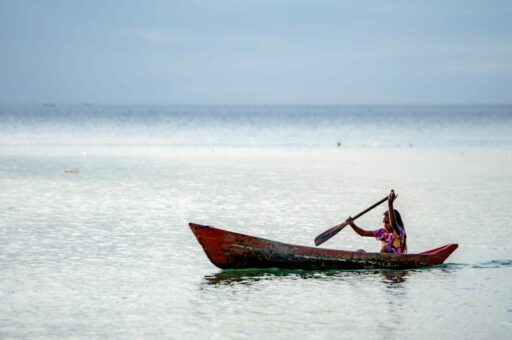
Through gender mainstreaming and capacity-building programs, the ATSEA-2 Project is committed to promoting gender equity in the sustainable management of coastal resources. From 6-10 March 2023, the project hosted a gender workshop in Dobo, Aru Archipelago. A total of 34 people attended, comprising representatives from national, provincial and district government departments, a women’s organisation, non-government
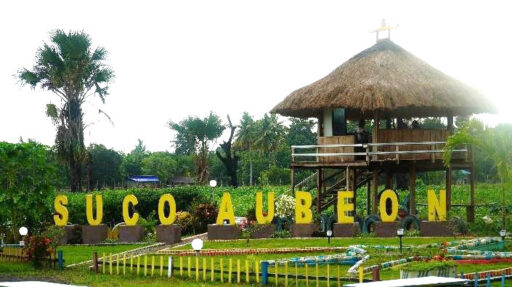
The ATSEA-2 project has been collaborating with the Hader Foundation, a local non-governmental organisation that supports the implementation of home gardens in the Manatuto Municipality of Timor-Leste, specifically in Aubeon; a drought-resistant village in the Barique Administrative Post. The primary goal of the home garden program is to support livelihoods in the community. It focuses
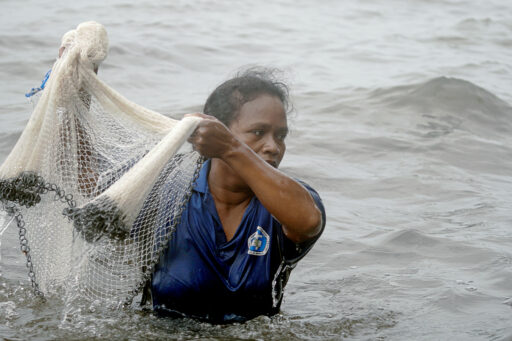
Marine and fishery sectors in Indonesia are still dominated by men, as women fishers receive less acknowledgement and official support such as subsidies and insurance coverage. Nevertheless, women continue to be actively involved in downstream activities, such as post-harvest handling, selling, processing, storage, packaging and marketing, while also providing labour in both commercial and artisanal
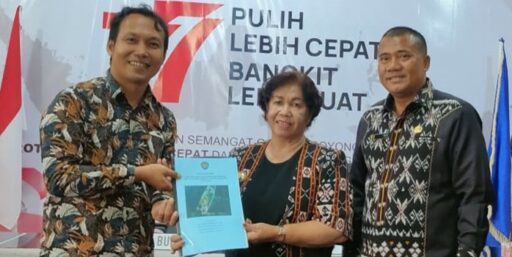
Rote Ndao is an island district that is particularly rich in resources. With 27,493 ha of coral reefs, 4,699 ha of seagrass beds and 2,156 ha of mangrove areas, the region provides livelihoods for more than 2,393 fishing households. However, these resources – and the people that rely on them for survival – are vulnerable
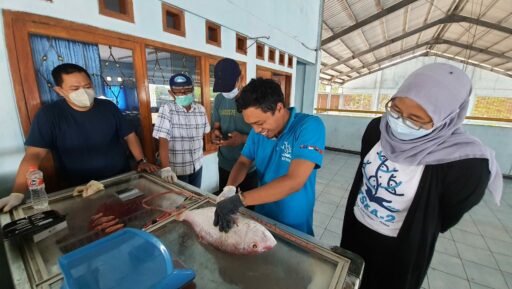
Since February 2020, the ATSEA-2 Project has been working with the Centre for Fisheries Research (CFR) of the Ministry of Marine Affairs and Fisheries (MMAF) to collect daily data on red snapper in the Arafura Sea. The main species of red snapper targeted for study included Lutjanus malabaricus, Lutjanus erythropterus, Lutjanus sebae and Pristipomoides multidens.
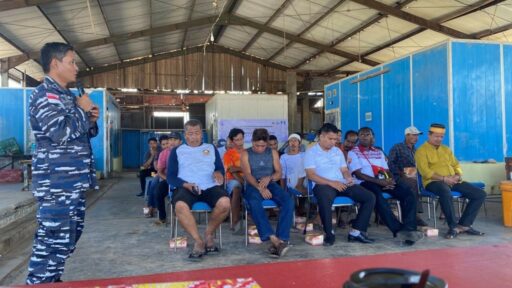
Marine and fisheries resources in the Arafura Sea (WPP 718) must be utilised responsibly in order to ensure their sustainability and improve the welfare of those who rely on them for survival. Considering the vastness of this area and the many types of violations that occur here, a strong monitoring instrument is needed. Despite many
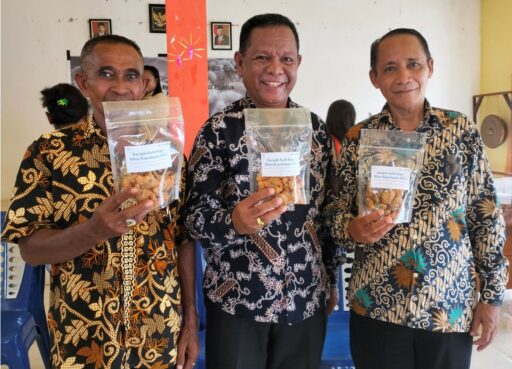
In Dobo, the capital of the Aru Archipelago, The ATSEA-2 Project recently initiated coordination and training on the processing of fish skin waste produced by local fish companies. Together with the Aru Department of Fisheries and CV Niaga Indonesia, this collaboration forms part of wider efforts to reduce fish processing waste and create added value
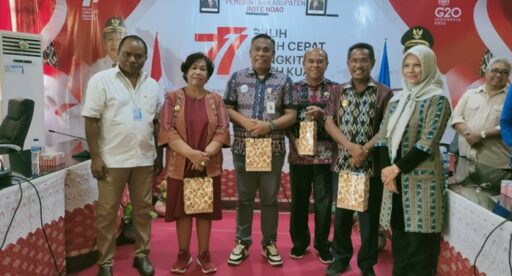
To build a strong joint commitment between the Rote Ndao District Government and Bank NTT, and in support of sustainable economic activities in the local community, phase two of the Arafura and Timor Seas Ecosystem Action (ATSEA-2) Project facilitated the signing of a Memorandum of Understanding (MoU) and a Cooperation Agreement (PKS) between the two
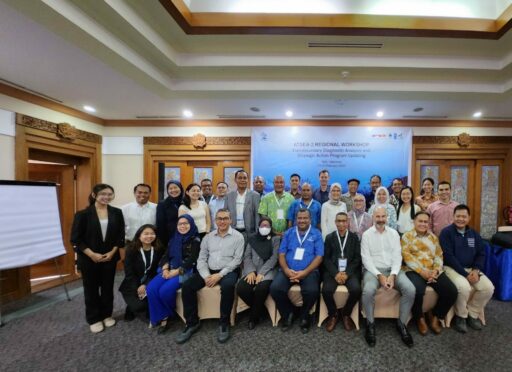
From 21-24 February 2023, the Arafura and Timor Seas Ecosystem Action Phase 2 (ATSEA-2) Regional Workshop on Transboundary Diagnostic Analysis (TDA) and Strategic Action Program (SAP) Updating was held in Bali, Indonesia. The workshop brought together 31 participants, comprising National Project Directors (NPDs); Regional and National TDA consultants; TDA-SAP National Working Group (NWG) representatives from
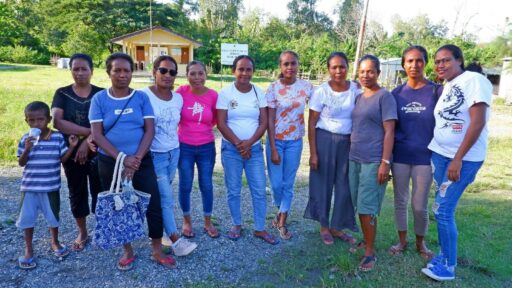
Most households in the Barique Posto Administrativo region of Timor-Leste rely on agriculture, livestock and fishing for a living. Income fluctuates throughout the year, making it difficult to make ends meet. Despite having less agency in money management, women carry a larger share of the household’s financial burden. The problem is compounded by their lack
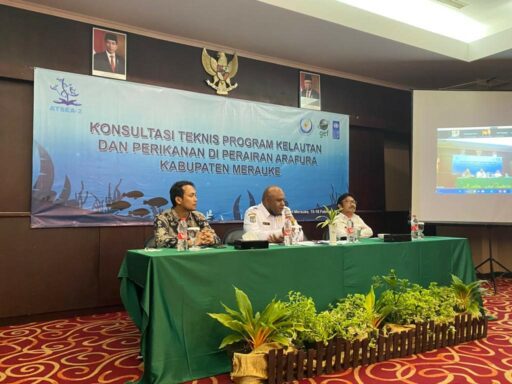
Located in the Pacific Ocean between Australia and Papua, the Arafura Sea is a valuable source of fisheries resources for Indonesia, due to the high volume of shrimp and demersal fish species in the area. However, illegal fishing activities in the region are depleting fish stocks and resulting in significant losses for the Indonesian government.
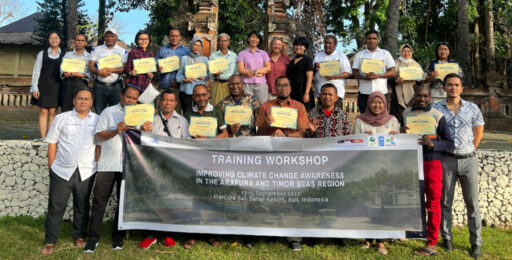
For the Arafura and Timor Seas (ATS) region, climate change represents an environmental transboundary issue of utmost priority. According to a 2021 report by the Intergovernmental Panel on Climate Change (IPCC), recent changes in the climate are widespread, rapid and intensifying, and unprecedented in thousands of years. With that in mind, and to better understand
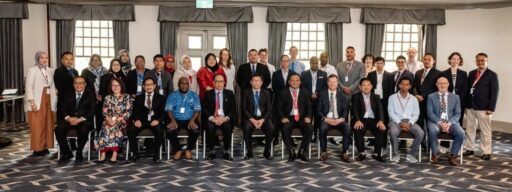
Regional problems require regional solutions. This is why collaboration is so crucial to the work being done by the ATSEA-2 Project. Our approach is embodied in the Regional Plan of Action to combat IUU fishing (RPOA-IUU). IUU fishing continues to pose a major threat to the Arafura and Timor Seas (ATS) region. Ever since its
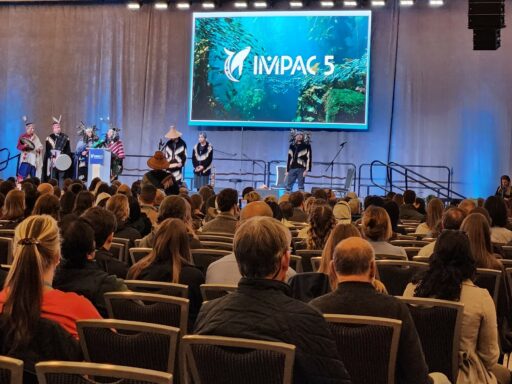
The International Marine Protected Areas Congress (IMPAC) is a platform for marine conservation managers and practitioners worldwide. Its aim is to share best practices and exchange knowledge for the protection of marine biodiversity and cultural heritage. IMPAC congresses are held every four years, with five iterations of the congresses already held to date. The most
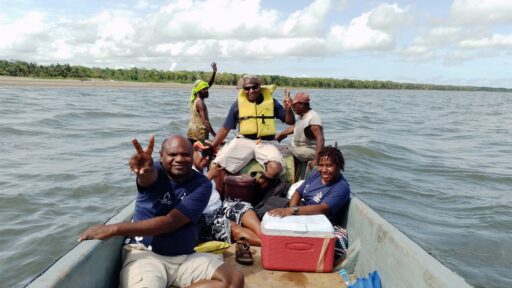
Due to rising demand for fisheries commodities in Papua New Guinea, many fisherfolks are under increasing pressure to overharvest local species. In response, from 15-18 November 2022, ATSEA-2 team travelled to South Fly District to advocate for sustainable approaches to fisheries management among the local people. Together with South Fly District Fisheries and with support
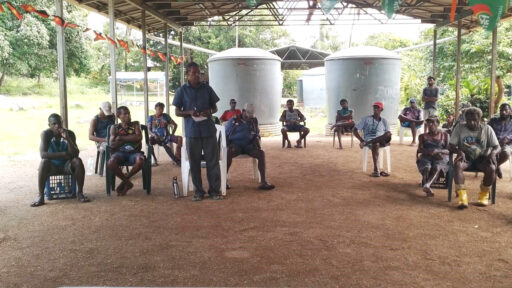
Coastal communities in the Arafura and Timor Seas (ATS) rely mainly on fishing for their livelihoods. In Papua New Guinea (PNG), for example, there are 13 coastal villages located in the South Fly region which share a border with Indonesia; commonly referred to as ‘Treaty Villages’, they also share a sea border with Australia. Unfortunately,
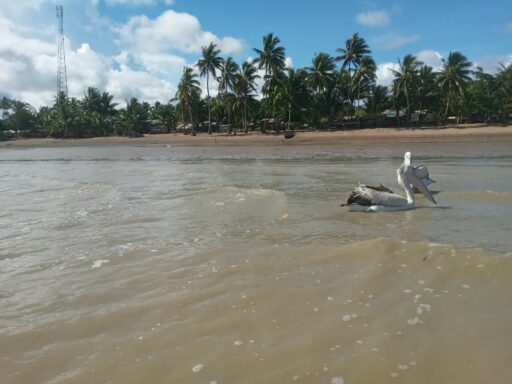
The National Fisheries Authority (NFA) and the ATSEA-2 Project from 29 January to 2 February 2023 conducted a study on fish maw fisheries and fishing gear use in South Fly, Papua New Guinea, which has yielded crucial information about the socio-economic status of communities in the area. The project surveyed fishing gear use in several
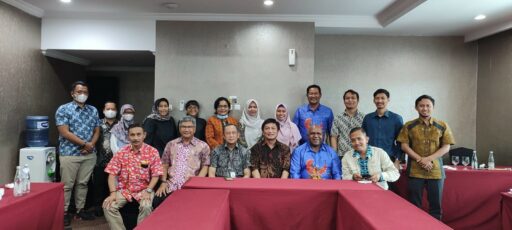
The Indonesian archipelago already has 28.4 million hectares of marine protected areas (MPA) spread out across its waters. Now, the Ministry of Maritime Affairs and Fisheries (MMAF) has committed to developing 30 million hectares of MPAs by 2030. Kolepom Island in the Merauke district of South Papua Province is a pristine marine habitat that supports
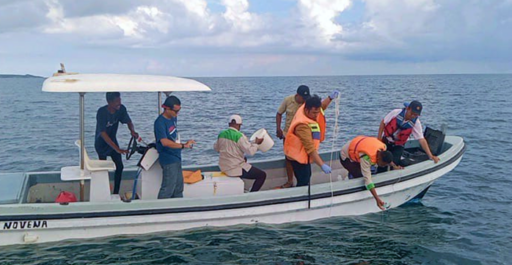
In addition to its rich natural resources, the Arafura and Timor Seas (ATS) is also known to have enormous oil and natural gas potential. This poses a major risk to the region, in the form of oil spills and other pollution related to shipping. As part of ongoing efforts to mitigate these risks, the ATSEA-2
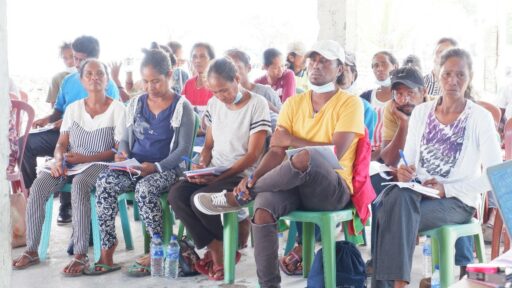
Ancient, beautiful and threatened, sea turtles have roamed the planet’s oceans for millions of years. However, in the past few decades, their populations have been dwindling due to a combination of poaching, habitat destruction and bycatch. Evidence of this worrying decline has been seen in Com Village, Timor-Leste. Com Village is part of Nino Konis
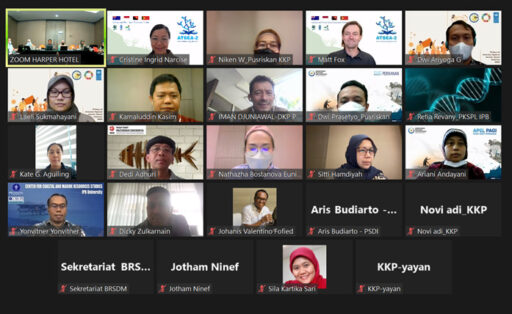
In the Arafura and Timor Seas (ATS) region, overfishing, habitat degradation and the impacts of climate change continue to threaten marine species. Consequently, there is an urgent need for regional collaboration and transboundary management of economically important marine megafauna, crucial ecosystems and fish species. With that in mind, the ATSEA-2 Project recently held a series
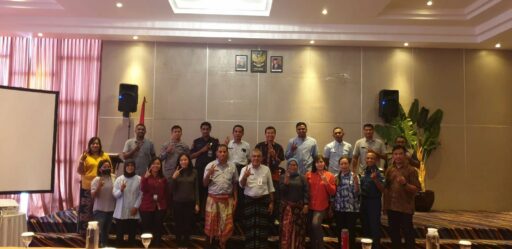
Oil spills in the ocean are a major environmental problem. These spills pollute coasts and estuaries, while also posing serious health risks to humans. While massive and catastrophic spills attract the most attention, smaller and chronic spills actually occur on a regular basis. To support effective responses to oil spill incidents, a training session was
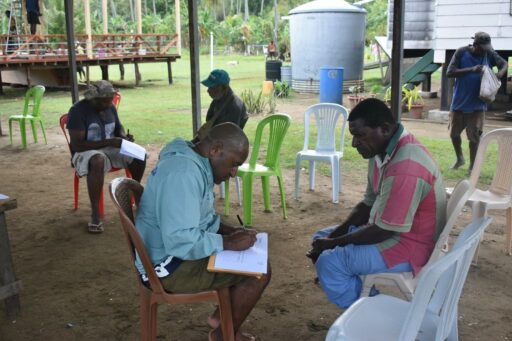
In the South Fly district of Papua New Guinea (PNG), the ATSEA-2 Project has been busy collecting data on fisheries and the use of fishing gear. Results of this process will inform the ongoing revision of project targets in 2023, particularly with regards to the issue of fish maw harvesting and improvements to fishing gear
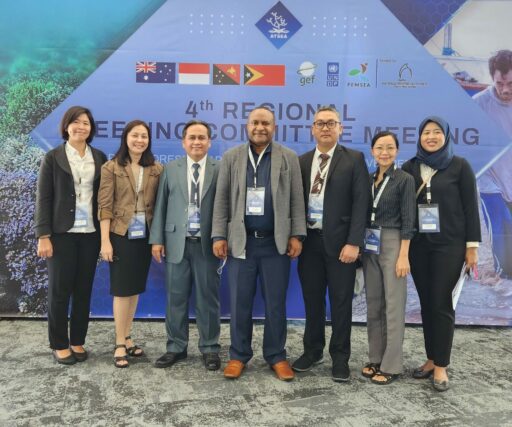
On 2 and 3 November 2022, after more than two years of virtual meetings due to the global pandemic, key members of the ATSEA-2 Project’s Regional Steering Committee (RSC) gathered for the first time in Port Moresby, Papua New Guinea, for the 4th Regional Steering Committee meeting. The ultimate aim of the meeting was to
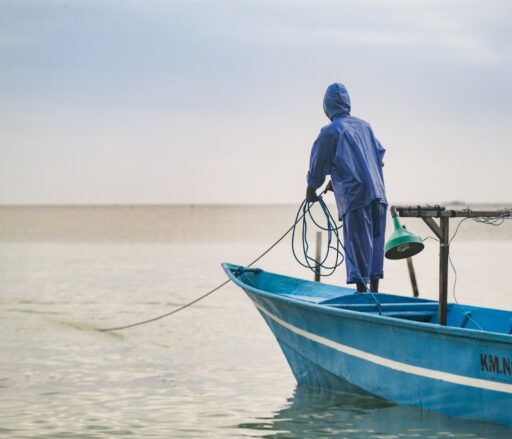
The Arafura Sea is home to the 718 Fisheries Management Area (also known as WPP-NRI 718). Here, Pelabuhan Perikanan Nusantara Tual (PPN Tual) is the Executive Coordinator responsible for the implementation of a Fisheries Management Plan (FMP/RPP) in the region. Considering the vital role the area plays in maintaining the productivity and sustainability of fishery
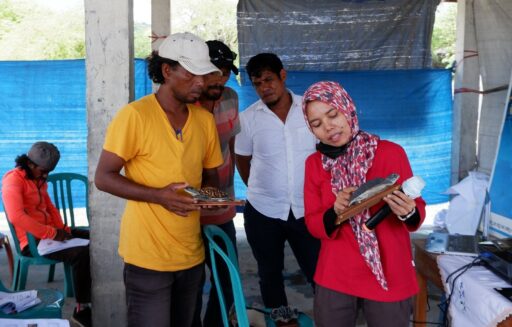
Timor-Leste had just celebrated its Independence Day the day before the nation’s first ever sea turtle training session, which was hosted on 29 November 2022. It was a nice, sunny day in Com Village, Lautem Municipality, Timor-Leste. The heat did not seem to dissuade participants from joining the training, which was held in a semi-outdoor
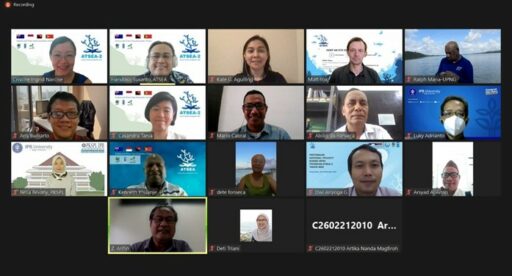
Overfishing, habitat loss and the effects of climate change together pose a major threat to a significant portion of marine species in the Arafura and Timor Seas (ATS) region. In response, regional cooperation and transboundary management of marine megafauna, vital ecosystems and economically significant fish species are sorely needed. In respect to the unique circumstances
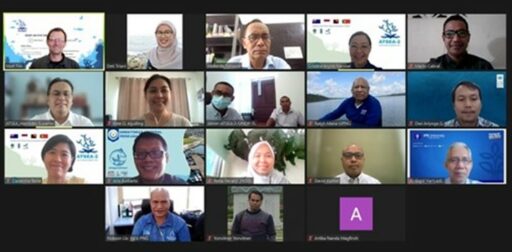
In support of the ongoing updating of the Transboundary Diagnostic Analysis (TDA) for the Arafura and Timor Seas (ATS) region, a series of Causal Chain Analysis (CCA) workshops was organised by the ATSEA-2 Project in September 2022. By establishing cause and effect for priority transboundary issues, these workshops will subsequently inform policy responses and ongoing
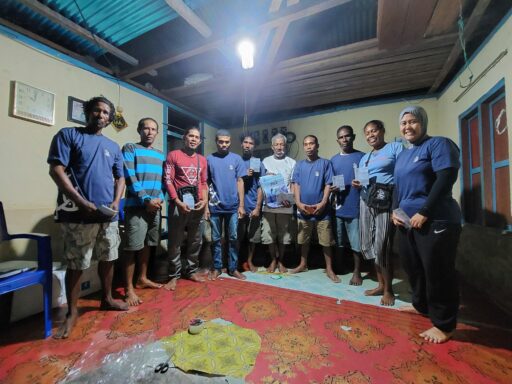
With the objective of holding discussion and coordination with the community-based surveillance group (POKMASWAS) named Gwer Ketabar in Apara Village regarding their progress in monitoring the use of Marine Protected Area (MPA) resources, ATSEA-2 Project team met with Muhidin on 29 September 2022. He is one of the fishermen who is also in charge of
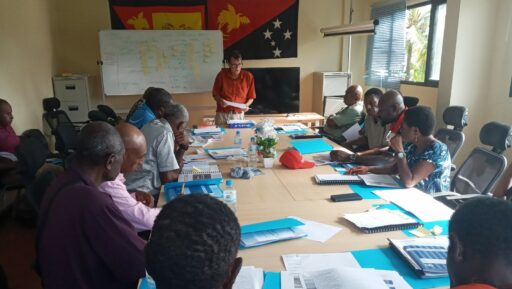
South Fly villagers in the western province of Papua New Guinea (PNG) have long understood the importance of nature. To them, fish and marine resources are essential to livelihoods. A recent training session provided by ATSEA-2 focused on using an Ecosystem Approach to Fisheries Management (EAFM) to make this link between fisheries and nature even
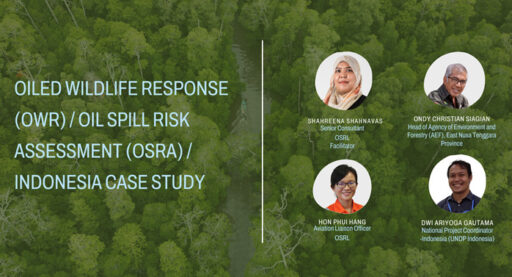
As part of wider efforts to raise awareness and build capacity among key stakeholders in the ATS region, the ATSEA-2 Project held a series of informative webinars in 2022, covering topics related to conservation of habitats and resources. As the year drew to a close, this quarterly webinar series was concluded with a pair of
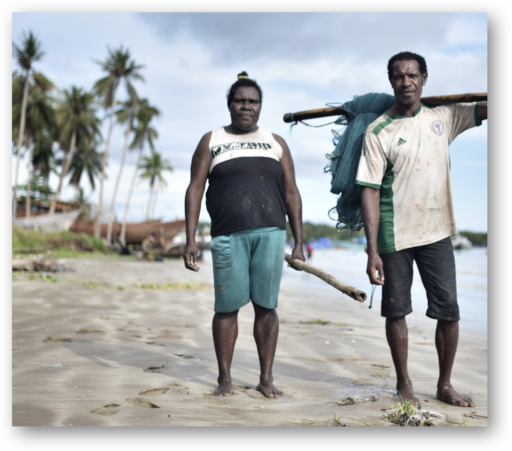
“I’ve been fishing since I was 17 years old,” says Mama Elizabeth Limai, her lips stained red with betel nut and her forehead beaded with sweat from a hard day’s work. “I normally catch ikan kaca (glassfish), gulama (white croaker), kakap (snapper), kurau (threadfin) and udang (shrimp),” she explains. Today, a bundle of glassfish hangs

The Deputy Governor of East Nusa Tenggara (NTT) Province, Josef Adreanus Nae Soi, has offered his support to budget allocation for increasing the capacity of the marine pollution response team, with the addition of new members. The move is part of wider efforts to mitigate the risk of oil spills and lessen their impact through

In order to raise awareness of important issues and impact policy, sharing information is essential. Information is the bridge between decision makers, researchers and community members. For ATSEA-2, it also enhances the visibility, understanding and impact of projects. In line with ATSEA-2 goals to improve the dissemination of project information, the Regional Project Management Unit
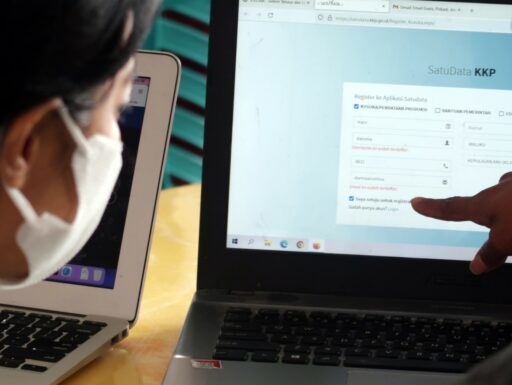
Traceability is a tool to ensure traded fish come from legal fishing activities and healthy, sustainable stocks with quality assurance. In global trade, traceability processes are a fundamental requirement applied by Regional Fisheries Management Organisations (RFMOs) and countries importing fishery products. In fishery industries such as the tuna trade, RFMOs require documentation of catches for
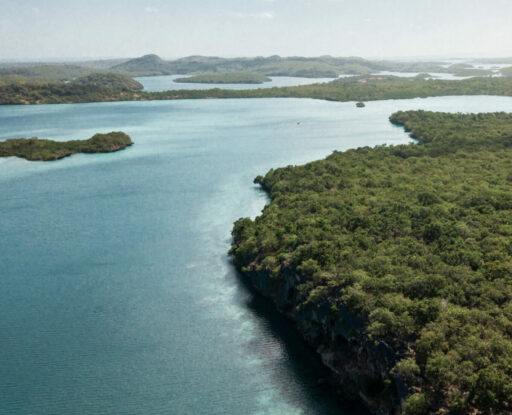
Image Credit: UNDP Indonesia for the ATSEA-2 Project Addressing local threats, while also increasing fisheries productivity, protecting biodiversity and building resilience to climate change. The ATS region supports foraging and migration for various rare and threatened sea turtle species. Cognizant of this fact, littoral nations in the region are taking action to incorporate sea turtle
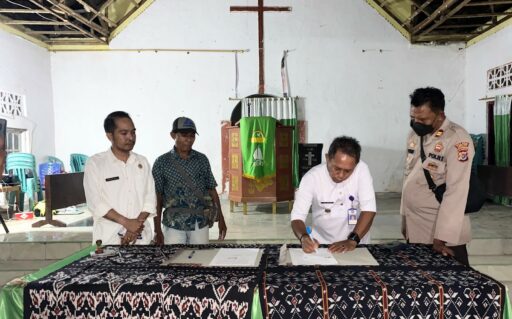
The sea provides livelihoods for more than 140,000 people living in Rote Ndao. However, in the past two years, marine resources have been threatened by irresponsible fishing activities and extreme weather related to climate change. To build resilience, improve fishing practices and mitigate the impacts of climate change, ATSEA-2 has been working with partners, officials

The Marine Pollution and Damage Response Team in the Waters of Province of East Nusa Tenggara (NTT) recently carried out one of their work programs, namely technical consultation on oil spill early warning system guidelines in Rote Ndao Regency. Prepared in collaboration with PT BMT Indonesia, the guidelines outline procedures for reporting oil spill events
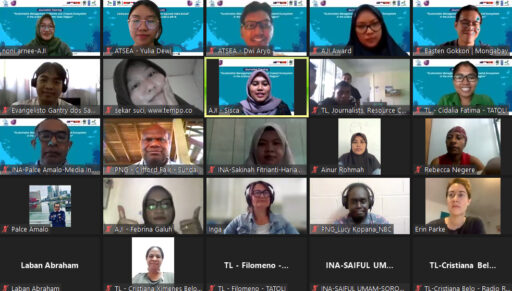
Worldwide, journalism has played a major role in raising awareness of environmental issues and generating support for biodiversity protection. In the Arafura and Timor Seas (ATS) region, marine and coastal ecosystems, along with the economic and ecological wellbeing of people, require more attention. For that reason, the ATSEA-2 Project is collaborating with the Alliance of
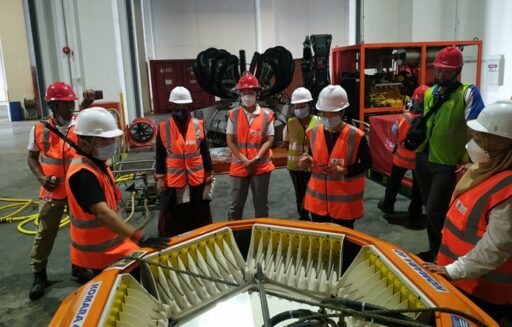
In 2021, ATSEA-2 completed a regional assessment of marine and land-based pollution hotspots in the Arafura and Timor Seas (ATS) region. The study showed that, while the ATS region is highly productive and rich in resources, it is also under threat from oil spills due to expansive oil and gas exploitation, especially in the Timor
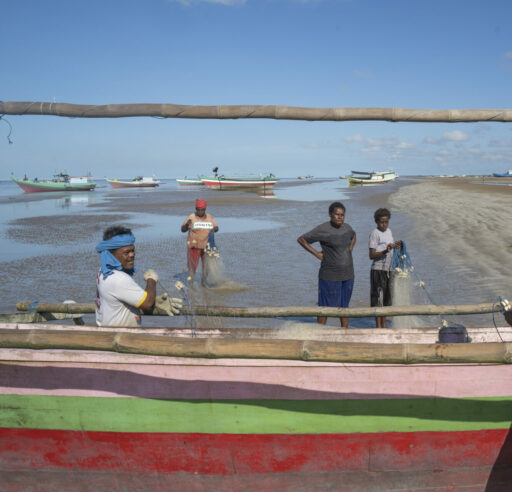
Thick clouds veiled the sky and drizzle was just starting to come down when the Kumbe-Merauke crossing sign came into view. Kumbe is one of the coastal villages in south-eastern Merauke, Papua. It takes 2-3 hours to get there from Merauke sub-district, passing through damaged and potholed village roads – a journey which is challenging,

In August of this year, the ATSEA-2 Project journeyed with the National Fisheries Authority to South Fly District in the Western Province of Papua New Guinea. Their aim was to discuss fisheries management issues through public consultation, as part of wider plans to develop an artisanal fisheries management plan. Community engagement and involvement are seen

A recent study on marine and land-based pollution on the Southern coast of Timor-Leste found 14 hotspots with severe pollution loads. The study calls for urgent action to prioritise pollution control plans in order to protect the country’s marine resources; a key source of food, livelihoods and jobs for the millions of people who depend
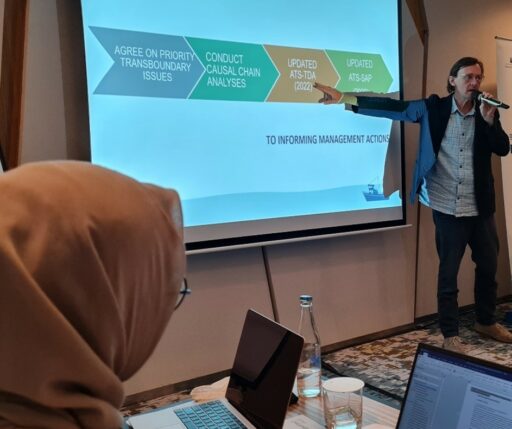
“A transboundary problem is an environmental problem that is transboundary in scale – In other words, it is an environmental problem originating in, or contributed by, one or more countries and affecting (or impacting) another,” said Matthew Fox, the Regional Transboundary Diagnostic Analysis (TDA) Specialist. Considering developments in the Arafura and Timor Seas (ATS) region
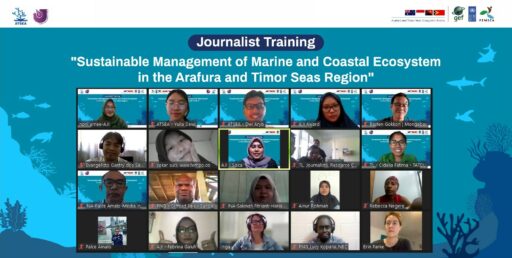
Worldwide, journalism has played a major role in raising awareness of environmental issues and generating support for biodiversity protection. In the Arafura and Timor Seas (ATS) region, marine and coastal ecosystems, along with the economic and ecological wellbeing of people, require more attention. For that reason, the ATSEA-2 Programme is collaborating with the Alliance of
Since gender mainstreaming has been officially adopted as a strategy in the Sustainable Development Goals (SDG) and the Paris Climate Agreement, the term has become ubiquitous. Though various organisations and agencies now espouse their commitment to gender equality and to mainstreaming gender in their policies and programs, the actual integration of gender perspectives and analyses
The Alliance of Independent Journalists (AJI) of Indonesia and the Arafura & Timor Seas Ecosystem Action Phase II (ATSEA-2) Project announced 21 outstanding candidates to join journalist training on Sustainable Management of Marine & Coastal Ecosystems in the Arafura Sea & Timor Seas Region. Here are the lists of the selected participants. Indonesia: Timor-Leste: •

In July 2021, the Marine Pollution Handling Team was formed by the East Nusa Tenggara (NTT) Provincial Government, with support from the Ministry of Marine Affairs and Fisheries (MAAF) and the ATSEA-2 Project. This has helped strengthen cross-institutional coordination among government and non-government partners in NTT. To be successful in responding to potential marine pollution
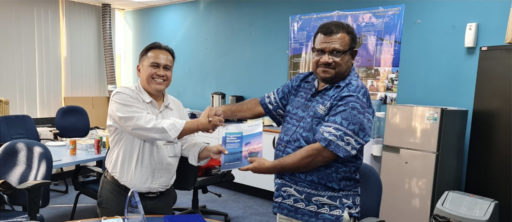
Building on the foundational results from the first phase of the GEF-financed and UNDP-supported Arafura and Timor Seas Ecosystem Action (ATSEA) Programme, the second phase project, ATSEA-2, welcomed the formal participation of Papua New Guinea (PNG) in the process of developing a sustainable programme for the management and conservation of marine and coastal resources in
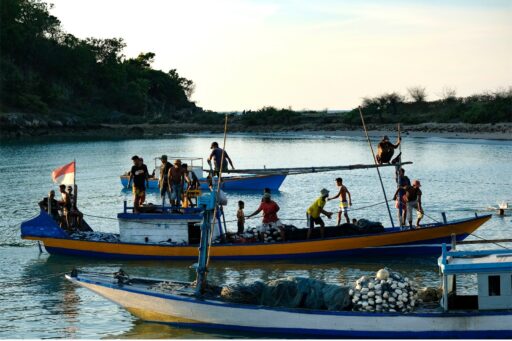
Marine resources make vital contributions to food security, livelihoods and the economic development of coastal communities. Climate change is expected to have profound effects on the status and distribution of coastal and oceanic habitats, the fish and invertebrates they support and, as a result, the communities and industries that depend on these resources for survival.

Covering a total area of 1,877 km2, Municipio Viqueque is one of five sites of the GEF/UNDP/PEMSEA ATSEA-2 Programme for the Timor-Leste component. The municipality is home to around 76,033 people (according to the 2015 census), comprised predominantly of coastal communities who use double outrigger canoes and fibreglass mono-hull vessels to catch fish. Despite numerous
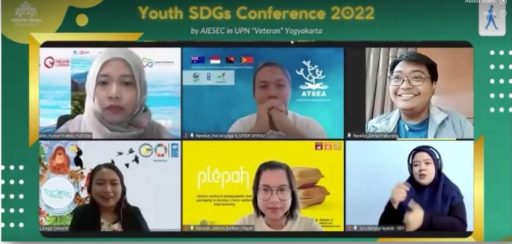
Thinking of ways to be guardians of the earth? The easiest way to be done is maybe by rethinking what you have considered as an “eco-friendly” lifestyle As Indonesia, like the rest of the world, deals with the current pressing environmental challenges, this year’s World Environment Day (WED) provided a sense of urgency to increase
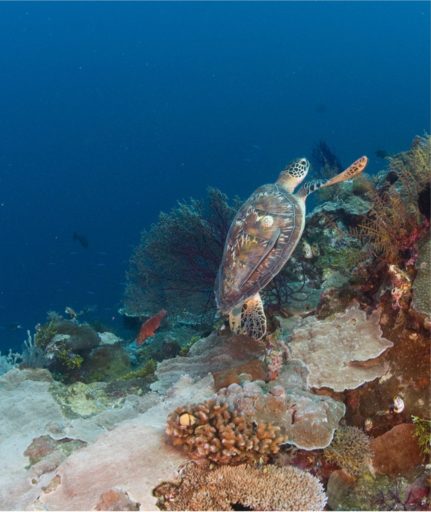
Sea turtle populations are greatly threatened by a number of human activities, such as unselective fisheries, direct take, predation, light pollution, illegal trade, habitat loss and climate change, to name a few. As a key part of marine food webs, they help us maintain a healthy ecosystem by controlling numbers of prey species (such as

Climate change is having an unprecedented impact on people’s lives and livelihoods. This has severe implications for environmental degradation, but also exacerbates the issue of gender inequality in coastal communities that rely on marine and fisheries resources. The Arafura and Timor Seas (ATS) region is one of the areas where such climate variability and its

The clock had just struck half past six in the morning in Dili, the capital of Timor-Leste, when four staff of the Regional Project Management Unit team arrived for a visit. Since the last time they were here, in early 2020, Covid-19 had caused the world to shut down. Therefore, the visit to Timor-Leste was

Open Recruitment Journalist Training “Sustainable Management of Marine & Coastal Ecosystems in the Arafura Sea & Timor Seas Region” The Alliance of Independent Journalists (AJI) of Indonesia, with the support of the Arafura & Timor Seas Ecosystem Action (ATSEA) Programme invites active journalists in Indonesia, Papua New Guinea and Timor-Leste to take part in a journalist training

In most countries, synergy and coherence among existing biodiversity policies has been identified as a serious gap in the implementation of the National Biodiversity Strategies and Action Plans (NBSAPs). The creation of an integrated approach, underpinned by strong institutions and good governance, can be an essential step for countries to effectively achieve their biodiversity goals

Sea turtles have roamed the oceans for the last 110 million years. Existing for so long, however, does not mean that sea turtles are immortal or live stress-free lives. In fact, current sea turtle populations are greatly threatened by several human activities, such as unselective fisheries, direct take, predation, light pollution, illegal trade, habitat loss

Over time, the Arafura Timor Seas (ATS) have seen many changes in terms of governance, ecology and the socio-economic conditions of the area. In light of this ever-changing landscape, Transboundary Diagnostic Analysis (TDA) is one of the primary goals of the GEF/UNDP/PEMSEA ATSEA-2 Project. In the latest round of TDA, various information gaps and data

Humanity is facing unprecedented challenges to its long-term survival on planet Earth. Foremost among them is climate change, as rising temperatures pose an existential threat to the human race. More than 70% of our planet is covered by oceans, which are natural climate regulators. To avoid disaster and mitigate the impacts of climate change, the

In order to curb the practice of Illegal, Unregulated and Unreported (IUU) fishing, Indonesia’s Ministry of Marine Affairs and Fisheries (MMAF) has encouraged member nations of the Regional Plan of Action to Combat Illegal, Unreported and Unregulated Fishing (RPOA-IUU) and G20 countries to implement responsible fisheries standards. This is an affirmation of the MMAF’s active

Due to human activities, pollution and degradation of marine ecosystems are becoming increasingly difficult to control. The negative impacts of pollution are many and varied, and their effects ripple outwards to impact many different parties. Causes of pollution range from the use of explosives in fishing to industrial waste, offshore oil drilling and the disposal

The Timor Sea in the Arafura and Timor Seas (ATS) region is particularly vulnerable to oil spills. One of the biggest in recent times was the Montara disaster in 2009, when an estimated 40 million litres of oil leaked from a faulty rig. ATS countries have differing levels of preparation and response capacity when it

The dinghy ride from the town of Daru to Sigabaduru village in the South Fly District of Papua New Guinea (PNG) was about three hours long, but smooth and enjoyable. The sea was calm on a dull day without wind. These were the perfect conditions for exploring the scenic collection of islands dispersed throughout the

On 4 May 2022, the GEF/UNDP/PEMSEA ATSEA-2 Project collaborated with a prominent local conservation organisation called ‘The Hadomi Ambiente Youth Group’ in Com Village, Lautem Municipality. Together, they facilitated a focus group discussion (FGD) in relation to turtle conservation for the region. Members of the Ministry of Agriculture and Fisheries (MAF) and representatives of Conservation

Hailing from Merauke in Indonesia (one of the ATSEA-2 main project sites), Hasnah is a prominent figure in her community. Her daily routine is a mixture of regular housewife duties, combined with the processing of fisheries-related products, especially those concerning snapper and mackerel. Several years ago, her husband’s boat capsized in heavy seas. After that,

In the Manatuto Municipality of Timor-Leste, rural poverty poses a major problem. But the key to solving these issues could be found in the promotion of sustainable fishery practices, with a focus on empowering women’s entrepreneurship in rural areas through a series of cooperatives. The ATSEA-2 Project is working in the Barique Posto Administrativo in

Sea turtles have been around since dinosaurs roamed the earth. For more than 100 million years, these large, air-breathing marine reptiles have inhabited tropical and subtropical seas throughout the world. Today, green and loggerhead sea turtles are classified by IUCN as “Endangered”, while leatherback and olive ridley sea turtles are classified as “Vulnerable” and hawksbill

The Arafura Sea is a marine area in Indonesia with the potential for abundant fishery resources, especially for deep-sea species such as snapper. To support its sustainability, it is necessary to implement sustainable fisheries management activities. Efforts have been made, among others, through an Ecosystem Approach to Fisheries Management (EAFM) and a Fisheries Improvement Project

The ocean connects, sustains and supports us all. Yet its health is at a tipping point and so is the well-being of all that depend on it. To restore balance to the ocean, we must work together. The Arafura and Timor Seas (ATS) region is home to coral reefs, a quarter of the world’s mangroves,

The Director General of Surveillance for Marine and Fisheries Resources, Ministry of Marine Affairs and Fisheries of the Republic of Indonesia (Ditjen PSDKP) has openly submitted a proposal to establish an intelligence network in the fisheries sector of the ASEAN region, as well as the Arafura and Timor Seas (ATS). The establishment of this intelligence

Coastal communities are on the frontline of coral reef management. These groups depend on coastal ecosystems for their food and livelihoods; by empowering them to manage and restore coral reefs, reliable, immediate and mutually beneficial custodianship of these habitats can be secured. Coral reefs in the Rote Ndao Regency area support a high level of

One of the most productive and most important fishing grounds in Indonesia, Fishery Management Area (WPP) 718 is facing a serious threat from illegal, unreported and unregulated (IUU) fishing. However, fishers and officials in WPP 718 have embraced a cutting-edge new electronic logbook system that greatly simplifies the process of registering vessels and reporting catch,

Efforts to increase the effectiveness of the supervision of marine and fishery resources in Fisheries Management Area (Wilayah Pengelolaan Perikanan, or WPP) 718 require synergy between law enforcement agencies. To that end, a road map for collaborative management has been developed by the Directorate General for Surveillance for Marine and Fisheries Resources (PSDKP), the Marine

In the ongoing mission to raise awareness of marine and fisheries conservation issues, which have hitherto not been widely discussed, the media represents an essential tool. This is why the ATSEA-2 Project held a meeting with a number of journalists from print and online media in Merauke on Tuesday, 19 October 2021. First and foremost,

Timor-Leste is at a critical juncture: the blue economy brings new opportunities. Identifying new and innovative financing options is critical. The recent UN Climate Change Conference in Glasgow (COP26) underscored the urgency of the global transition away from fossil fuels towards greener models of economic growth that bring people and planet back into balance. The

Gender analysis is an essential first step in the process of identifying gender barriers in any ongoing or planned programmes. This information can inform better strategies and help develop programmes that are more relevant to the varying needs of men and women in target communities. With that in mind, the ATSEA-2 Project conducted a gender

Illegal, Unreported and Unregulated Fishing (IUUF) is a major issue throughout the Arafura Timor Seas (ATS) region. In the Aru Islands of Maluku province, the ATSEA-2 Project and its partners are working alongside local communities to build up surveillance and strengthen defences. Uniquely, traditional community monitoring groups, called pokmaswas, are leading the way, using customary

The ATS is home to a number of red snapper species, but three are particularly important to commercial, artisanal and recreational fisheries in the region: saddletail snapper (Lutjanus malabaricus), crimson snapper (Lutjanus erythropterus) and red emperor (Lutjanus sebae). To ensure the sustainability of these species, effective management of fisheries is vital. In Timor-Leste, coastal fisheries

The ATSEA-2 Project has been working to support the creation of integrated coastal management plans (ICM), including baseline assessments in the Barique Posto Administrativo region. The baseline assessment focused on climate change vulnerability and adaptation options, including ecological and socio-economic conditions at two coastal villages (Aubeon and Uma Boco) in Barique, Manatuto Municipality. The ICM

After a short dinghy ride from the island town of Daru, the ATSEA-2 team arrived at the coastal village of Aberemabu in South Fly. The tide was receding, exposing a long, black sandy beach interrupted by isolated outcrops of mangroves. The high tide mark at the edge of the village was strewn with nets and

Data and information regarding coastal and marine resources in the Arafura Timor Seas (ATS) region provide a vital foundation for decision making, planning and action plans. The process of data collection, validation, analysis and interpretation requires a great deal of time, expertise and resources. In many cases, gaps in the data are discovered where the

Ten years since the publication of the Transboundary Diagnostic Analysis (TDA) for the Arafura and Timor Seas (ATS) Region which provided the technical basis for the 10-year ATS Strategic Action Programme (SAP), the process for its updating was kickstarted through a 2-part Inception Workshop. Updating of the TDA, and later the SAP, are among the

Marine oil spills represent a major environmental disaster. They can cause significant damage to ecosystems, along with socioeconomic and cultural resources. The impacts of marine oil spills are not limited to the immediate vicinity of the spill, but can be felt across the globe. As the threat from potential oil spill hot spots in the

Sofice Littik smiled kindly when we met at her home in Oeseli Village of Rote Ndao Regency, East Nusa Tenggara (NTT). The 49-year-old seaweed farmer invited us to sit in the courtyard of her house, which had just been repaired following damage caused by hurricane Seroja. “In the front yard of the house there was

Dominica Paula Jeronimo Guterres, a fresh graduate from the Department of Marine Science of Udayana University, prepares to set off on a dive with a team of marine biologists from the Coral Triangle Centre (CTC). Photo credit: Marthen Welly/CTC for the ATSEA-2 Project I was the only female diver to join the expedition with an

Data is a crucial element of fisheries management. Lack of data can contribute to misunderstood stock and inappropriate management, leading to stocks being under or overharvested. To ensure the quality and credibility of data gathered, it is therefore essential to make sure that data collectors have the right skills, tools and knowledge to gather information

Located at the southernmost tip of Indonesia, Rote Ndao district is home to a wide range of marine and fishery resources. However, as demonstrated by recent impacts, this area is also especially vulnerable to climate change. To address these issues, the ATSEA-2 Programme is working to develop a clearer understanding of vulnerabilities and formulate an